dog age myths
From the 7-year myth to senior dog misconceptions, here are the age beliefs worth updating.
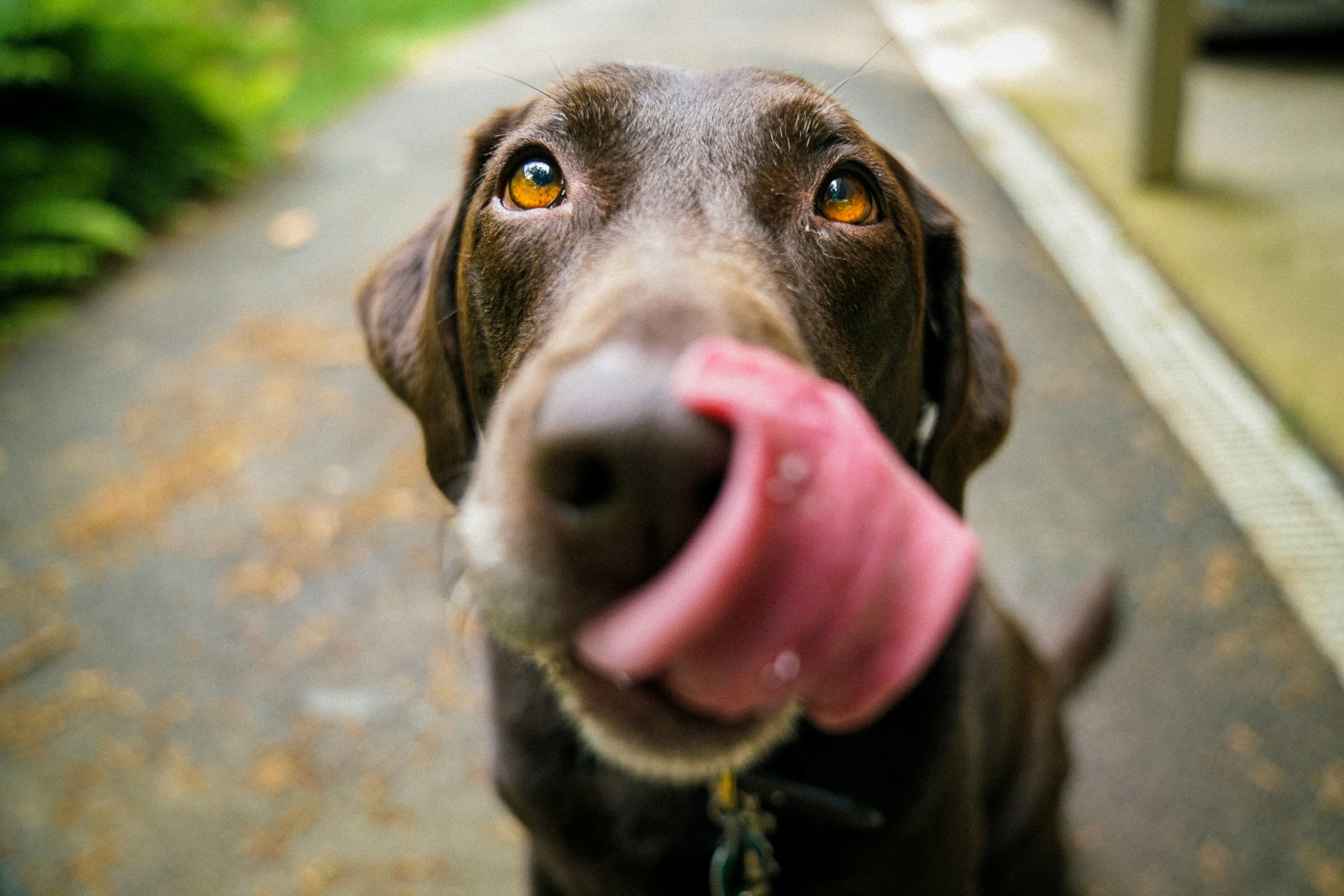
The Myths
Dog years are full of sticky sayings because simple rules are easy to remember. The problem is that easy rules can make owners miss important context. A puppy is not a seven-year-old child at one birthday, and a seven-year-old dog is not automatically old in the same way across every breed size.
The most common myths are: every dog year equals seven human years, all dogs become senior at seven, small dogs and giant dogs age the same, slowing down is always harmless, senior dogs cannot learn, gray fur tells the whole story, and lifespan is only genetics. Each myth contains a shortcut that can lead to weaker care.
Myth: One Dog Year Always Equals Seven Human Years
The seven-year rule survives because it is memorable, not because it matches biology. Dogs mature quickly early in life, then aging slows into more of a curve. Research using DNA methylation patterns gave owners a better way to understand that curve, even though the formula still has limits and should not be treated as personal medical prediction.
The better idea is simple: early dog years count heavily, later years do not add up in a straight line, and breed size changes how you interpret the result.
Myth: Every Dog Is Senior at Seven
Seven can be senior for some large and giant dogs, mature for many medium dogs, and still middle-aged for some small dogs. This is why FurTimer asks for breed size. Senior timing is most useful when it reflects expected lifespan, not a single birthday shared by every dog.
The senior label should not feel scary. It simply means care should become more observant: teeth, joints, weight, lumps, thirst, appetite, sleep, and behavior deserve closer attention.
Myth: Slowing Down Is Just Age
Some slowing is expected, but pain, dental disease, heart disease, obesity, arthritis, endocrine disease, or vision loss can all hide behind the phrase 'just old.' If a dog stops doing something they used to enjoy, there is usually a reason.
A better response is curiosity. When did the change start? Is it worse after rest? Does it happen on stairs? Is appetite different? Does your dog still want to play but quit sooner? These details help your veterinarian separate normal aging from treatable discomfort.
Myth: Senior Dogs Cannot Learn
Senior dogs can learn. They may need shorter sessions, clearer cues, softer rewards, better traction, or more patience, but learning and enrichment can remain part of life. Training can even protect confidence when hearing, vision, or mobility changes.
The point is not to demand puppy energy from an older dog. The point is to keep communication alive. Gentle training, scent games, food puzzles, and familiar routines can make senior years richer.
What to Do Instead
Use a logarithmic calculator for human-age context, choose the right breed size, read the life stage, and adjust care accordingly. Then ask your veterinarian how that stage applies to your individual dog. A calculator gives orientation; a veterinary exam gives interpretation.
Replacing myths with nuance is not less fun. It is more loving. You still get the wonder of dog years, but you also get better timing for food, exercise, dental care, screening, comfort, and the conversations that keep your dog well.
The More Useful Mindset
The best replacement for dog-age myths is not a more complicated myth. It is a more careful way of looking at your dog. Age, size, breed, weight, teeth, movement, behavior, and veterinary findings all tell part of the story. No single number gets to speak for the whole dog.
That mindset is kinder because it stays curious. A gray muzzle can be beautiful without being the whole picture. A senior label can prompt better care without making life smaller. A lifespan estimate can help families plan without turning love into a countdown.
Article FAQ
Common questions about this guide
Is one dog year seven human years?
No. Dogs age faster early in life and then more slowly, so a straight multiplier is misleading.
Are senior dogs too old to train?
No. Senior dogs can learn, enjoy enrichment, and benefit from gentle training adapted to comfort.
Try our free dog age calculator
Turn this guide into a personalized result with FurTimer's dog age calculator, including dog years to human years, life stage, and breed-size lifespan range.
Try FurTimer